
Dakota Bear: Hip-Hop, Decolonial Clothing, and the Rise of the Warrior Entrepreneur
Across Turtle Island, a new generation of Indigenous artists is blending music, activism, and entrepreneurship to create powerful cultural movements. Among those voices is Dakota Bear, an Indigenous rapper, activist, and entrepreneur whose work bridges hip-hop culture with political awareness and community empowerment.
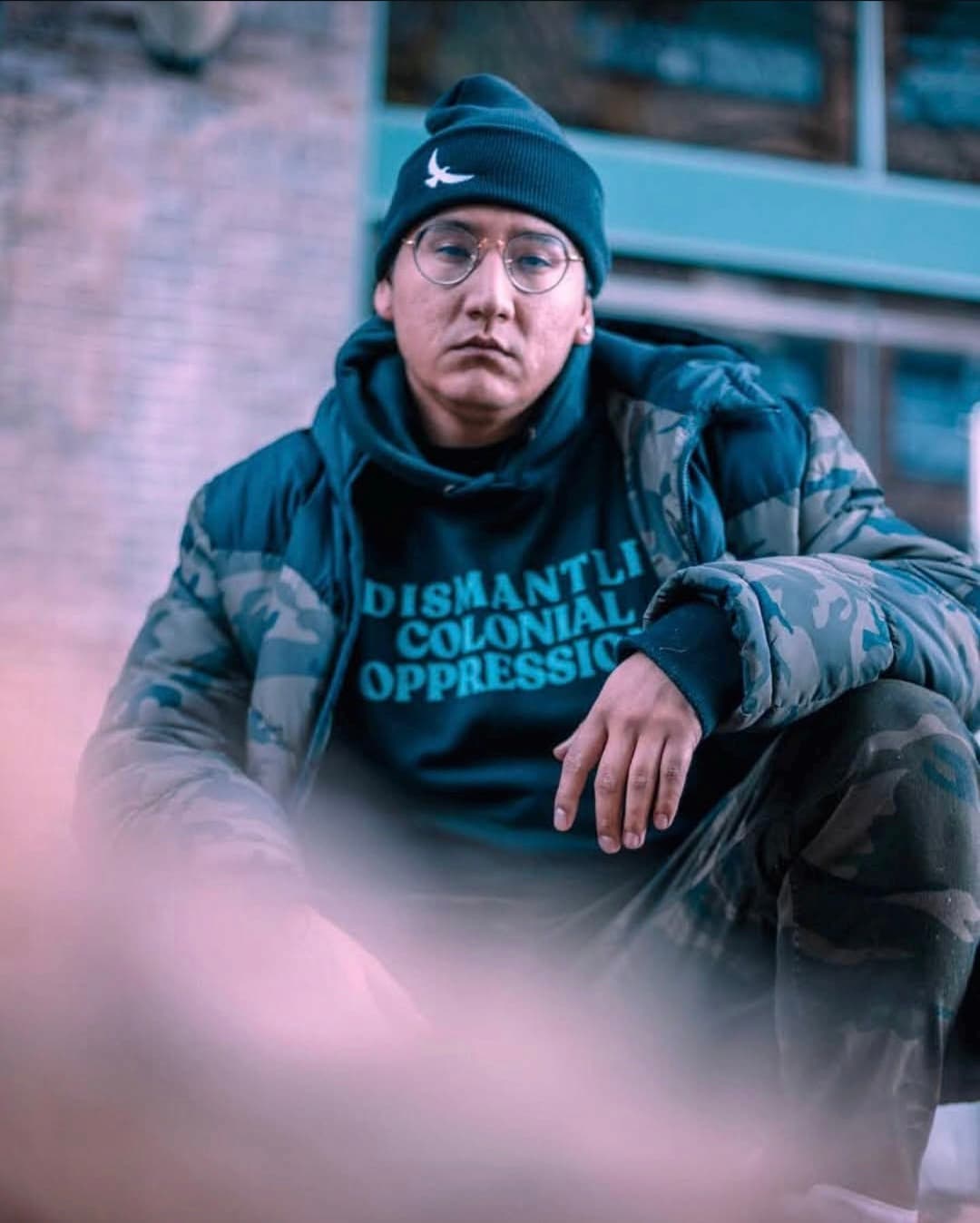
Originally from Saskatoon, Saskatchewan, Dakota Bear has become a recognizable figure in both the Indigenous music scene and the growing world of Indigenous streetwear through his role as co-founder of Decolonial Clothing.
Through music, fashion, and activism, Bear represents a modern wave of Indigenous creators reclaiming space and rewriting narratives.
Music With a Message
Dakota Bear's music blends modern hip-hop production with lyrics that confront colonial history, Indigenous identity, and resistance. His songs often explore themes of:
- Sovereignty
- Cultural pride
- Healing and resilience
- Political awareness
Rather than separating music from activism, Bear uses hip-hop as a tool for education and empowerment. His performances have reached audiences across Canada and the United States, including major public demonstrations and cultural gatherings.
One of his most notable appearances came during the Global Climate Strike in Vancouver, where he performed for tens of thousands of people alongside climate activists and Indigenous leaders.
His music stands at the intersection of art and advocacy, reflecting the growing role of Indigenous hip-hop in social movements.
Decolonial Clothing
Beyond music, Dakota Bear is also a driving force behind Decolonial Clothing, an Indigenous-owned streetwear brand he co-founded with Casey Desjarlais.
Based in Vancouver, British Columbia, the company creates apparel rooted in Indigenous identity and political awareness. The brand's message focuses on themes such as:
- Decolonization
- Indigenous sovereignty
- Cultural pride
- Social justice
Many of the company's designs carry powerful statements including phrases like "Land Back" and messages supporting justice for Missing and Murdered Indigenous Women, Girls, and Two-Spirit people (MMIWG2S+).
Decolonial Clothing has grown into a recognizable Indigenous streetwear label and has gained attention from artists, activists, and public figures across North America.
The brand represents a larger movement where fashion becomes a form of storytelling and activism.
From Fashion to Music Industry: Land Back Records
Dakota Bear and his business partner have also expanded their vision into the music industry with the creation of Land Back Records, a label designed to support Indigenous artists and independent creators.
The label reflects the founders' belief in Indigenous economic sovereignty and the importance of artists owning their platforms and creative work.
Through both music and fashion, Bear has embraced what he calls a "Warrior Entrepreneur" mindset—combining business, creativity, and activism to create lasting impact.
Dakota Bear on the Dopest Natives Alive Podcast
Dakota Bear also appeared on the Dopest Natives Alive Podcast, where host Rich Unk sat down with the artist for a deeply personal and emotional conversation.
During the interview, Bear spoke openly about his journey through addiction, healing, activism, and the motivation behind building platforms that empower Indigenous people.
The conversation also explores the vision behind Decolonial Clothing, the Land Back movement, and the role Indigenous hip-hop plays in amplifying voices that have historically been marginalized.
The episode stands out as one of the most powerful interviews featured on the Dopest Natives Alive platform.
Fans can watch the full conversation on the Dopest Natives Alive YouTube channel, where the interview offers a deeper look into Dakota Bear's journey, struggles, and vision for the future.
A Voice for the Movement
Dakota Bear represents a generation of Indigenous artists who refuse to separate creativity from community responsibility.
Through his music, fashion, and activism, he continues to push conversations about identity, sovereignty, and Indigenous empowerment into new spaces.
In a time when Indigenous hip-hop is gaining more global recognition, figures like Dakota Bear are helping ensure the movement remains rooted in purpose and cultural strength.
And as both an artist and entrepreneur, his work shows that Indigenous creativity is not only surviving—it's evolving, expanding, and shaping the future.
Follow Dakota Bear on Instagram and check out [Decolonial Clothing](https://decolonialclothing.com).