
Indigenous Hip-Hop Tension Surfaces: Tony Toosick and AntoineX Face Public Dispute
A Prayer to Kisemanito
Kisemanito, the Creator,
We come to you with humble hearts.
Protect all those involved in this matter — AntoineX and Tony Toosick — and their families, their teams, and everyone touched by their music and words.
Guide them toward a peaceful resolution, where understanding can grow and old wounds can begin to heal.
Let the blows in this hip-hop competition be made through bars, beats, and honest expression, in the true spirit of the culture — not through harm, silence, or division that spills into our communities as violence or bitterness.
Help both men stay mindful of the young ones who are listening, the alliances that will form, and the sides that our youth may feel pressured to choose.
May their words uplift rather than tear down, and may this moment strengthen rather than weaken the bonds between Indigenous artists and the people they represent.
Kisemanito, wîcihinân (help us).
Hiy hiy.
In the vibrant yet close-knit world of Indigenous hip-hop, a disagreement has become public between two respected voices: Tony Toosick (Tony Tootoosis), a Cree artist from Poundmaker Cree Nation (raised in Edmonton and active in Alberta), and AntoineX (Antoine Edwards Jr.), the Omaha-based Oglala and Sicangu Lakota rapper, singer, and founder of the Indigenous music platform ALLSZN.
The Conflict
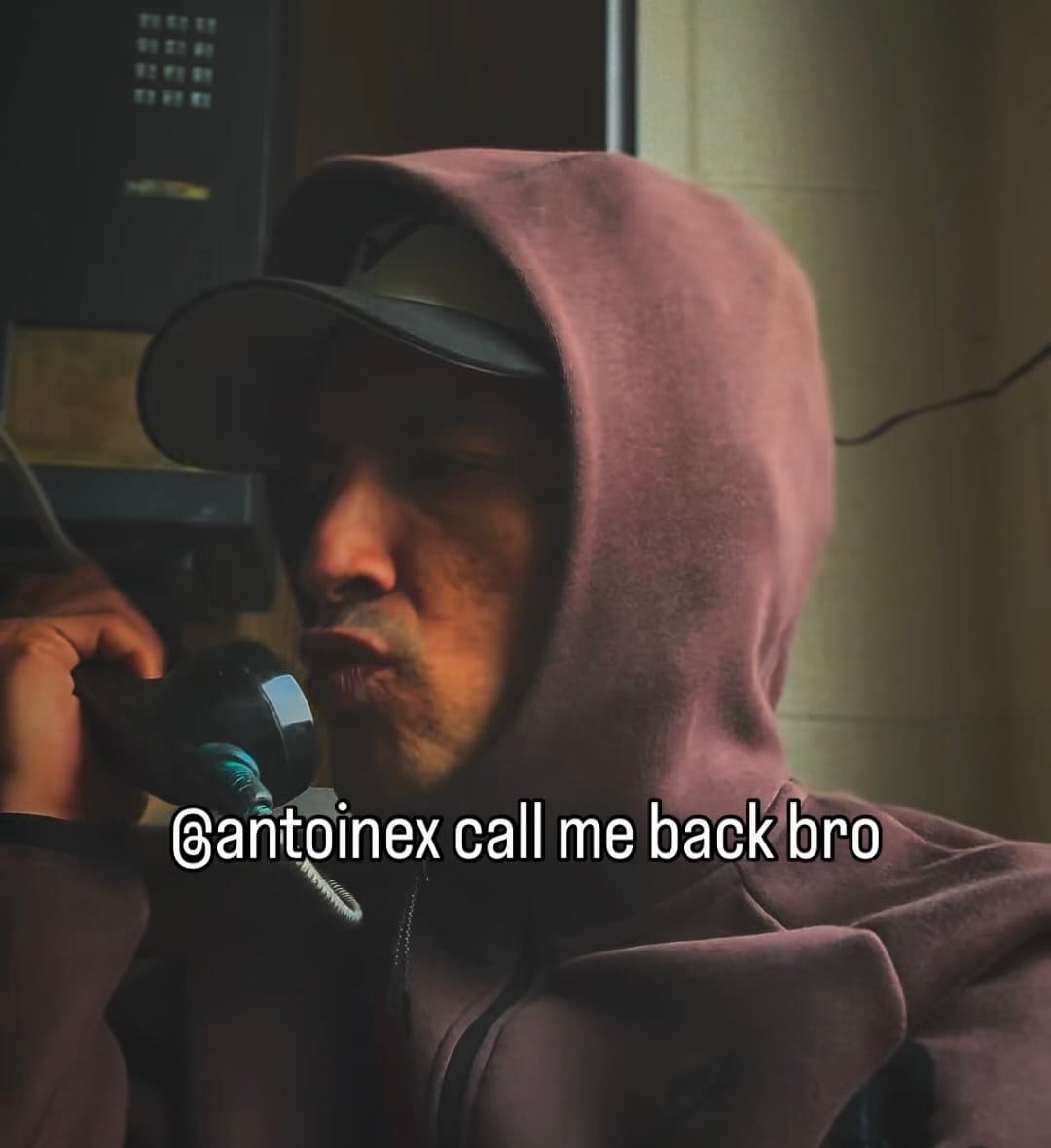
The conflict centers on financial allegations. In an Instagram story, tonytoosick posted from Maskwacis, Alberta, with the caption:
"POV: AntoineX stole $19,000 from you and blocked you for speaking up."
The accompanying image shows Toosick on a phone, with text reading "@antoinex call me back bro." Related comments and posts have referenced a larger sum tied to a grant, joint projects, and feelings of being "fucked over," along with lighter jabs about being "banned from Canada" or competitive shots at ALLSZN.
AntoineX has not issued a direct public response in the visible posts. His recent activity continues to focus on music — promoting tracks like "I See" on Spotify, teasing releases under his alias Big SZN, and highlighting ALLSZN's work supporting emerging Indigenous talent. Both artists have previously collaborated or moved in overlapping circles, making the current rift feel especially personal to fans of Native hip-hop.
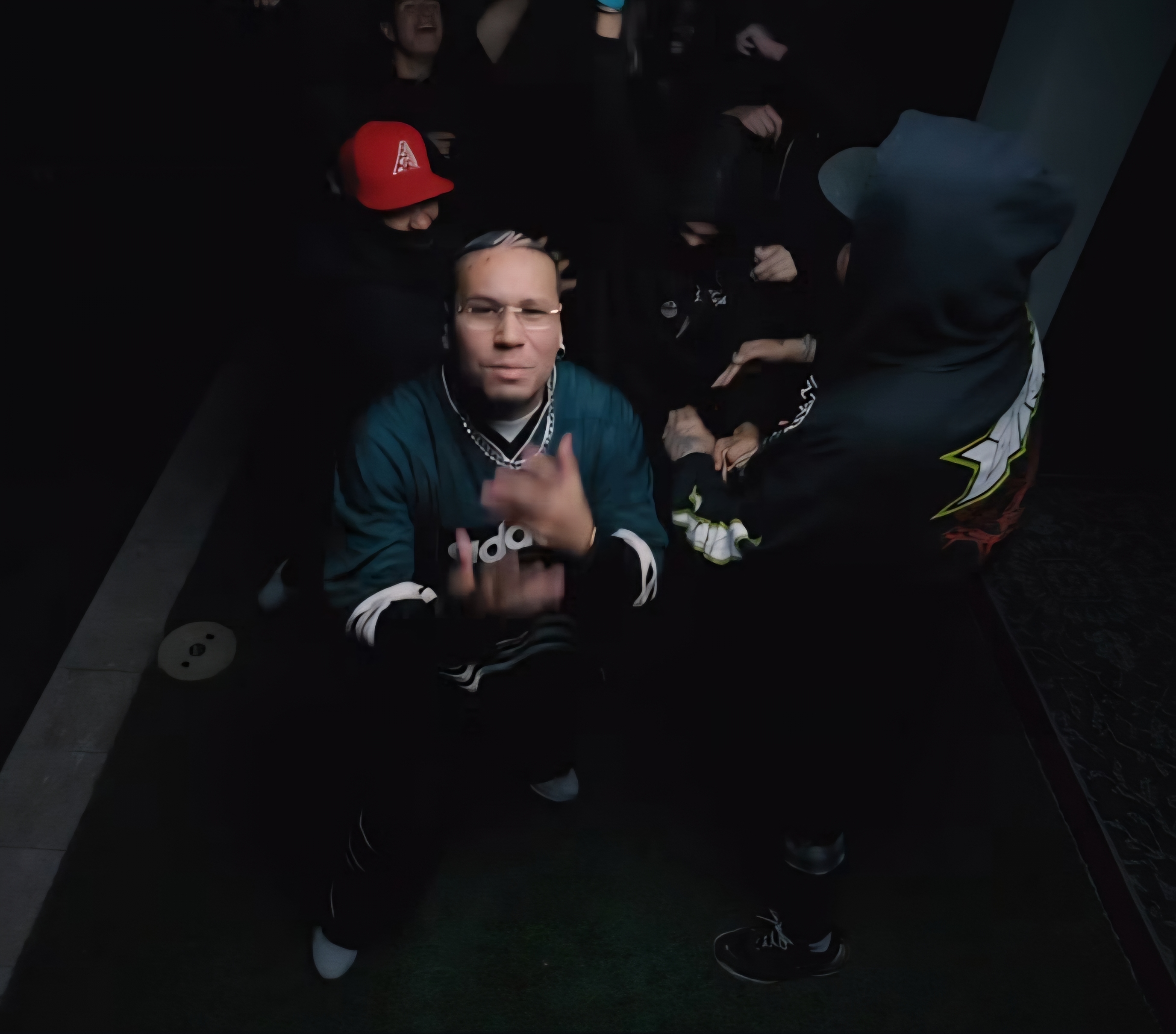
AntoineX in a still from his "I See" music video
Who Are These Artists?
Tony Toosick is known for blending hip-hop with his identity as a champion grass dancer, audio engineer, skateboarder, and motivational voice. He speaks openly about sobriety, reserve and inner-city survival stories, and inspiring Indigenous youth. Check out his track "Deebo" on Spotify.
AntoineX brings melodic rap and R&B infused with vulnerability, cultural pride, and conscious storytelling, often performing at major stages and building platforms for other Native artists.
When Hip-Hop Gets Real
In a scene where artists frequently collaborate across territories, share resources for tours, grants, and community events, money and trust issues can cut deep. Hip-hop has always allowed for competition and battle — it's part of the culture's DNA — but when real relationships, funding, and community expectations are involved, the lines can blur between sport and something more painful.
Many in the community, including those sharing the posts, have expressed reluctance to fan the flames. The sentiment is clear: we celebrate the dopest Natives doing their thing and would rather see differences worked out than watch brothers go to war in ways that hurt the broader circle.
Moving Forward
As this plays out, the hope is that any further "blows" stay confined to the music — sharp bars, honest tracks, and competitive energy that pushes both artists to create at their highest level. May they remain aware of the young listeners watching how grown men handle conflict, the alliances and divisions that can form, and the responsibility to model strength without causing real harm in our communities.
Kisemanito willing, this moment can lead to accountability where needed, growth on all sides, and a stronger scene that continues to uplift Indigenous voices through music rather than tear them down.
Hiy hiy.